There is a quiet but powerful shift happening in the way people receive care. More families and older adults are choosing to stay in their own homes rather than move into assisted living facilities or nursing homes. This choice has created a growing need for dedicated individuals who can provide personalized support, safety, and companionship in a private setting. Private caregiver jobs offer a unique blend of emotional fulfillment and practical career stability. They are not just about checking boxes on a task list; they are about building trust, preserving dignity, and helping someone live as independently as possible.
For anyone who is patient, reliable, and genuinely enjoys helping others, this field can be a strong long-term career path. The work can range from a few hours of companionship each week to full-time, live-in support. Understanding what private caregiving actually involves is the first step toward deciding whether it is the right fit.
What Private Caregiver Jobs Involve and Why They Are Growing
Private caregiver jobs are different from facility-based positions because the care is delivered in a person’s home, often directly for a family or individual rather than through a hospital or nursing home. A private caregiver may be hired by an older adult, a person recovering from surgery, an individual with a disability, or a family seeking help for a loved one with dementia or another chronic condition. The setting is personal, and the relationship between caregiver and client is often closer than in institutional environments.
The tasks in private caregiving vary widely depending on the client’s needs. Some clients need primarily companionship and emotional support, while others require hands-on help with bathing, dressing, toileting, and mobility. Many families also expect help with meal preparation, light housekeeping, medication reminders, transportation to appointments, and errands. In some cases, private caregivers provide respite care for family members who are exhausted from managing care on their own. Because the work is so personalized, flexibility and adaptability are central to success.
Several factors are driving demand. The aging population is one of the largest contributors. According to demographic trends, more adults are living longer, and many want to age in place rather than relocate. At the same time, hospitals are discharging patients earlier, which means families need support at home during recovery. Chronic conditions such as Alzheimer’s disease, Parkinson’s disease, diabetes, and heart failure often require consistent supervision and lifestyle support. Private caregiver jobs allow families to create a care plan that is tailored to the individual instead of relying on a one-size-fits-all facility schedule.
Another reason for strong demand is the desire for continuity. In a private home, the same caregiver may work with a client for months or years, learning their preferences, routines, and health concerns. This can lead to better outcomes and a more meaningful work experience for the caregiver. For job seekers, this means that private caregiver jobs are not simply temporary gigs; they can become stable, long-term roles with real responsibility and purpose.
Essential Skills, Qualifications, and Daily Responsibilities in Private Caregiving
To succeed in private caregiver jobs, a person needs more than technical knowledge. Empathy is perhaps the most important trait. A caregiver must be able to understand what a client is feeling, especially when that client is frustrated, scared, or embarrassed about needing help. Patience is also critical. Tasks such as bathing or eating can take much longer than expected, and rushing a client can damage trust and dignity. Good communication skills are essential for talking with clients, family members, and healthcare providers. A caregiver must also be observant, noticing changes in mood, mobility, appetite, or skin condition that may signal a health problem.
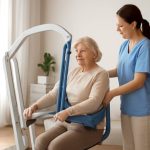
Physical stamina is part of the job. Caregivers may need to help clients stand, walk, transfer from a bed to a wheelchair, or get in and out of a car. Proper body mechanics and safety awareness are important to prevent injury to both the client and the caregiver. Depending on the client, the work may include using a gait belt, a slide board, or a mechanical lift. Training in basic first aid and CPR is often strongly preferred, and many families look for candidates who have completed a home health aide or certified nursing assistant program.
Daily responsibilities can include planning and preparing meals that meet dietary restrictions, ensuring medication is taken on time, assisting with personal hygiene, and maintaining a clean and safe home environment. In many cases, the caregiver also provides cognitive stimulation through conversation, puzzles, music, or light physical activity. For clients with dementia, a caregiver might use redirection techniques, maintain a predictable routine, and create a calm atmosphere to reduce anxiety.
Consider a real-world scenario: a private caregiver working with an older man recovering from a stroke. Each morning, the caregiver arrives and helps him with a bed-to-chair transfer using a gait belt. She prepares a soft breakfast, checks his blood pressure, and reminds him to take his medication. After breakfast, she assists with oral care and light stretching exercises. Later, she drives him to an outpatient therapy appointment and communicates with the physical therapist about his progress. In the afternoon, she prepares a simple lunch and reads aloud from a book he enjoys. This mix of clinical awareness, household support, and emotional connection is what makes private caregiving both challenging and deeply rewarding.
How to Find the Right Private Caregiver Job and Build Trust With Families
Finding a good private caregiving position requires a clear approach. Start by identifying the type of care you are most comfortable providing. Are you interested in companion care, personal care, post-surgical support, dementia care, or live-in positions? Knowing your strengths and limits will help you find a match that is safe and sustainable. Next, prepare a resume that highlights relevant experience, training, certifications, and personal qualities. Families want to see that you are dependable, respectful, and capable of handling both routine tasks and unexpected situations.
When you begin searching for private caregiver jobs, it helps to use a platform that focuses specifically on care work rather than general job boards. This allows you to filter opportunities by location, schedule, care needs, and required qualifications. A dedicated platform can also make it easier to present your background clearly to families who are actively looking for help. Be honest in your profile about your experience with specific conditions, your availability, and any limitations you may have. This reduces mismatches and helps you find a role where you can genuinely thrive.
Interviews with private families are often less formal than hospital interviews, but they are just as important. Families may ask about your experience, how you would handle an emergency, or what you would do if a client refused care. Be prepared with examples from past work. Ask questions about the client’s daily routine, medical conditions, mobility level, and expectations around housework and cooking. It is also wise to discuss pay, hours, overtime, and whether the position is paid through a home care agency or directly by the family. Clarifying these details early helps avoid misunderstandings later.
Building trust is the key to long-term success. Families are inviting you into their homes and asking you to care for someone they love. Show that you respect their privacy, communicate clearly, and follow through on commitments. Keep notes if needed, report changes in condition, and be consistent with your schedule. Over time, many private caregivers become like extended family members. That level of trust not only makes the work more meaningful but also leads to strong references and more opportunities through word of mouth.