

When a patient has partial weight-bearing ability but cannot safely rise from a seated position without assistance, caregivers face a daily challenge that risks injury and frustration. Traditional manual lifting techniques strain the lower back and shoulders, often leading to chronic pain or acute trauma for healthcare workers. Simultaneously, patients may feel anxious or unstable during transfers, which can erode their confidence and slow rehabilitation. Enter the electric sit to stand lift—a motorized device designed to harness the patient’s existing strength while providing smooth, controlled upward motion. Unlike full-body sling lifts that require total suspension, these units support the patient’s natural standing movement, making transfers more dignified and less intimidating. For families managing home care, this technology bridges the gap between complete dependence and independent mobility, offering a practical solution that preserves both physical safety and emotional well-being.
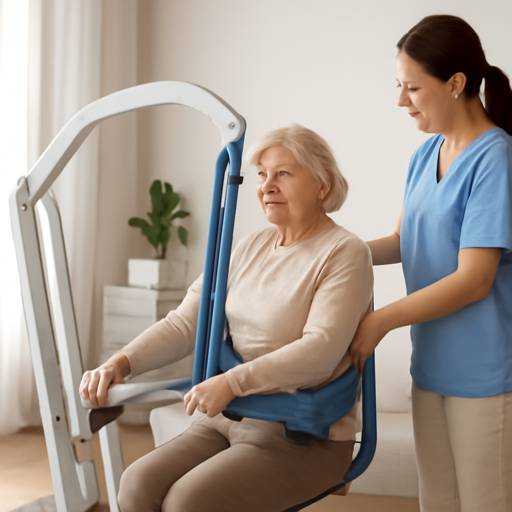
The mechanics are straightforward yet sophisticated. A motorized base widens or narrows to accommodate different chair widths, while a lifting column tilts the patient forward into a standing position. The patient holds on to handles or a padded chest support, and the machine does the heavy work—raising them gradually until they are upright and stable. The device then pivots them over to a bed, wheelchair, or toilet. Because the patient bears some weight, leg muscles remain engaged, which helps prevent atrophy and improves circulation. This active participation is a key differentiator from passive lifts, and it often accelerates recovery after hip or knee surgery. Caregivers, in turn, report significantly less physical strain and a lower risk of lost workdays due to injury.
From hospital wards to private residences, the adoption of electric sit to stand lifts continues to rise. Modern units come with rechargeable batteries, lockable swivel casters, and intuitive hand controls. Some models even integrate with ceiling track systems for confined spaces. The result is a versatile tool that adapts to nearly any environment. Below, we explore the core advantages of this technology, the features that matter most, and real-life examples of how facilities have transformed their transfer protocols.
How an Electric Sit to Stand Lift Transforms Patient Mobility and Safety
At the heart of every successful transfer is the delicate balance between assisting a patient and respecting their autonomy. An electric sit to stand lift excels at this balance because it works with the body’s natural biomechanics rather than against them. When a person stands unassisted, they lean forward, shift their center of gravity, and extend their knees and hips. A manual lift often forces the patient into an unnatural posture, causing discomfort or fear. In contrast, the electric lift gently tilts the patient forward while a padded knee support stabilizes the lower legs. The upward force is applied at a specific angle that mimics the body’s own movement pattern. This reduces the risk of falling and minimizes the strain on the caregiver’s spine—especially important for home aides who may work alone.
Beyond biomechanics, safety features are built into every level of design. Pressure sensors prevent the lift from operating if the patient’s weight is unevenly distributed. Emergency stop buttons are within easy reach, and backup manual lowering mechanisms ensure the patient can be safely returned to a seated position even if power fails. Many lifts also include integrated weight scales for monitoring patient progress, a helpful tool for physical therapists tracking functional improvement. For facilities that handle bariatric patients, heavy-duty models support up to 600 pounds without compromising stability.
The psychological impact is equally important. Patients who can actively participate in their transfers feel less helpless and more motivated to engage in rehabilitation exercises. Occupational therapists report that consistent use of an electric sit to stand lift helps patients rebuild standing tolerance and confidence. In one study published in the Journal of Rehabilitation Medicine, patients who used such lifts during early post-surgical recovery regained independent standing ability an average of four days sooner than those who relied on manual assistance. This faster progression reduces hospital stays and cuts overall treatment costs—a win for patients, caregivers, and payers alike.
For long-term care facilities, the reduction in worker compensation claims alone often justifies the investment. The U.S. Bureau of Labor Statistics consistently ranks nursing assistants among the occupations with the highest rates of musculoskeletal injuries. By replacing manual techniques with a motorized system, facilities can lower injury rates by 40–60%. When you combine improved patient outcomes with enhanced caregiver safety, it becomes clear that the electric sit to stand lift is not merely a convenience—it is a cornerstone of modern, evidence-based patient handling.
Key Features and Benefits of Modern Electric Sit to Stand Lifts
Choosing the right model requires understanding which features directly affect usability, durability, and patient comfort. The most critical component is the lifting mechanism. Early versions used hydraulic pumps, which were slow and prone to leaks. Today’s electric units employ linear actuators or ball-screw drives that operate quietly and provide precise, programmable speed control. For example, a caregiver can set a slow, gentle lift for a frail elderly patient or a faster pace for a younger individual recovering from surgery. This adjustability is essential because a one-size-fits-all approach often leads to resistance and poor compliance.
The base design also plays a major role. A wide, “banana” or U-shaped base that slides under furniture eliminates the need to move the patient to a dedicated transfer area. Instead, the lift can be positioned directly in front of a chair, wheelchair, or toilet seat. Lockable casters with a braking system ensure the lift stays stationary during the transfer, while the electric widening and narrowing function allows the caregiver to adjust the fit for tight spaces. Some models offer a “steer-assist” function that helps maneuver the lift through doorways, reducing the physical effort required by the caregiver.
Comfort features cannot be overlooked. Padded knee supports reduce pressure on the shins, and adjustable chest straps accommodate patients of varying heights and torso lengths. The handles should be ergonomically shaped and positioned so that patients with limited grip strength can still hold on securely. For bariatric use, reinforced frames and wider slings maintain stability at higher weight capacities. Another valuable addition is a digital display that shows the lift height, battery level, and weight reading. This allows caregivers to spot potential issues—such as a low battery—before starting a transfer.
Battery life and charging convenience are practical concerns for home users. Most modern lifts offer a full day of continuous use on a single charge, with a backup emergency battery that kicks in if the main pack depletes. Wireless foot pedals or handheld pendants give the caregiver full control without bending or stretching. In multi-patient environments, quick-release leg straps and machine-washable slings streamline hygiene protocols. When evaluating a purchase, it’s wise to look for models that offer a minimum of two years of warranty on the motor and frame. Investing in reliable equipment now prevents downtime and costly repairs later. For those seeking a comprehensive range of options, consider reviewing the selection of an electric sit to stand lift that meets diverse clinical and domestic needs.
Real-World Applications: How Healthcare Facilities Benefit from Electric Sit to Stand Lifts
To understand the practical impact of these devices, consider the experience of St. Mary’s Rehabilitation Center in upstate New York. Before integrating electric sit to stand lifts into their orthopedic unit, staff relied on two-person manual assisted standing for nearly every patient transfer. The result was an average of 12 back injuries per year among nursing aides, costing the facility over $150,000 in lost wages and medical expenses. Two years after purchasing a fleet of electric sit to stand lifts, the number of reported lifting-related injuries dropped to zero. Patient satisfaction scores also improved: a survey revealed that 87% of patients felt “safe and respected” during transfers, compared to just 54% before the change. The center’s physical therapy director noted that patients were able to begin weight-bearing exercises two days earlier on average, thanks to the lift’s ability to gradually increase the percentage of weight placed on the legs.
Another compelling example comes from HomeCare Plus, a private agency that serves elderly clients in the Pacific Northwest. One client, an 82-year-old widow with advanced osteoarthritis, had been confined to her recliner for weeks because her daughter could no longer safely lift her to the bathroom. After the agency supplied an electric sit to stand lift, the client regained access to the toilet, shower chair, and even her living room sofa. Within a month, she was able to stand for short periods without the lift, using it only for the initial rise. The daughter reported that her own chronic back pain subsided, and the client’s mood improved dramatically. This case highlights how the electric sit to stand lift serves not just as a transfer device but as a tool for restoring dignity and social participation.
Large hospital systems have also adopted these lifts for specialized units. The Veterans Health Administration in San Francisco piloted a program that trained all nursing staff on electric sit to stand lifts for patients with spinal cord injuries who retained partial leg function. Over 18 months, the number of pressure ulcers—often caused by prolonged sitting during transfers—decreased by 22%. Additionally, the lifts allowed single caregivers to perform transfers that previously required two or three staff members, freeing up personnel for other duties. The facility reported a 35% reduction in overtime costs directly attributable to more efficient patient flow.
In skilled nursing facilities, the lifts have proven invaluable for dementia care units. Patients with Alzheimer’s disease often become agitated when physically handled, leading to resistance and falls. The smooth, quiet operation of an electric sit to stand lift minimizes startling sensations. Several facilities have implemented “transfer without touching” protocols, where the caregiver directs the patient verbally while the lift does the physical work. This approach reduces agitation episodes and sedative use, creating a calmer environment for all residents. The versatility of these devices—adaptable to wheelchairs, recliners, and even car seats—means they can follow the patient across multiple care settings, from hospital to home to long-term care. As the population ages and the demand for safe, efficient patient handling grows, the electric sit to stand lift will remain an essential investment in both clinical outcomes and workplace sustainability.
